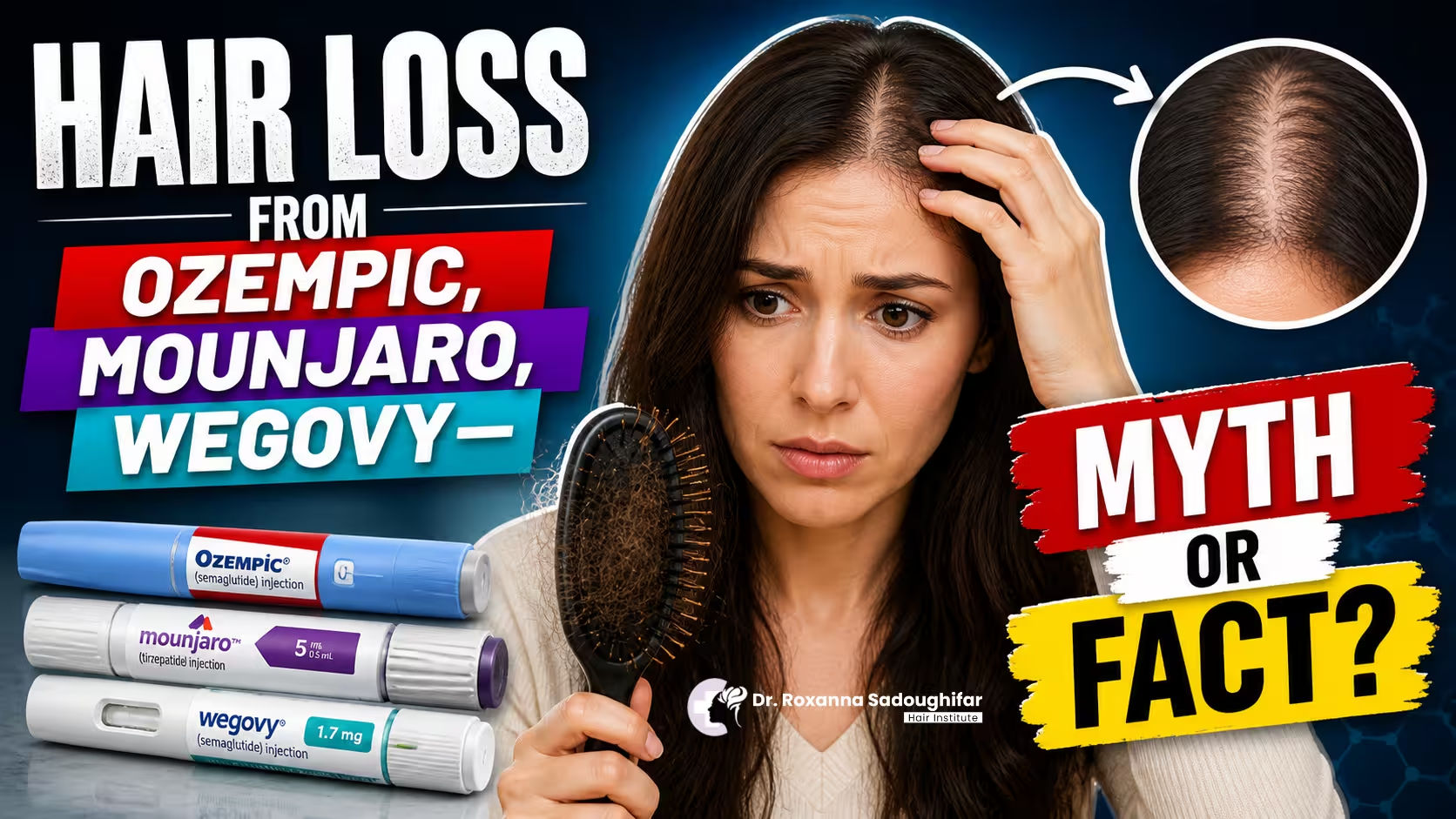
Weight loss medications like Ozempic, Mounjaro, and Wegovy have rapidly become some of the most talked-about treatments worldwide. From dramatic before-and-after transformations to life-changing health improvements, these drugs are often described as “miracle injections.” But alongside the success stories, a growing number of users are sharing a less expected experience—noticeable hair loss.
This has raised an important question: Are these medications actually causing hair loss, or is something else happening inside the body?
To understand the reality, it’s important to separate facts from assumptions.
Understanding How These Drugs Work
Ozempic and Wegovy are based on semaglutide, while Mounjaro contains tirzepatide. These medications primarily work by regulating insulin, slowing down digestion, and significantly reducing appetite. As a result, people consume fewer calories and lose weight—often at a rapid pace.
While this process is highly effective for weight loss, it also creates sudden changes in the body’s internal balance. And that’s where hair health can be affected.
Is Hair Loss a Proven Side Effect?
Hair loss is not officially listed as a major side effect of Ozempic. However, clinical observations suggest a pattern:
- Around 3% of Wegovy users reported hair loss
- Nearly 5% of Mounjaro users experienced hair shedding
- Compared to about 1% in placebo groups
Although these numbers are relatively small, they confirm that hair loss is being noticed by real users—and it deserves attention.
The Real Cause: Not the Drug, But the Weight Loss
The most important point to understand is that these medications do not directly damage hair follicles. Instead, the issue is linked to rapid weight loss and physical stress on the body.
When the body experiences sudden changes—whether from dieting, surgery, or medication—it reacts by conserving energy for essential functions like the brain and heart. Hair growth, being non-essential, temporarily slows down.
This condition is medically known as telogen effluvium.

What Is Telogen Effluvium?
Telogen effluvium is a temporary form of hair shedding triggered by stress or sudden physiological changes. In this condition:
- Hair prematurely enters the resting (telogen) phase
- Shedding increases noticeably
- New hair growth slows down for a short period
This is why some individuals report losing “clumps” of hair after starting weight loss medications. Importantly, this condition is reversible.
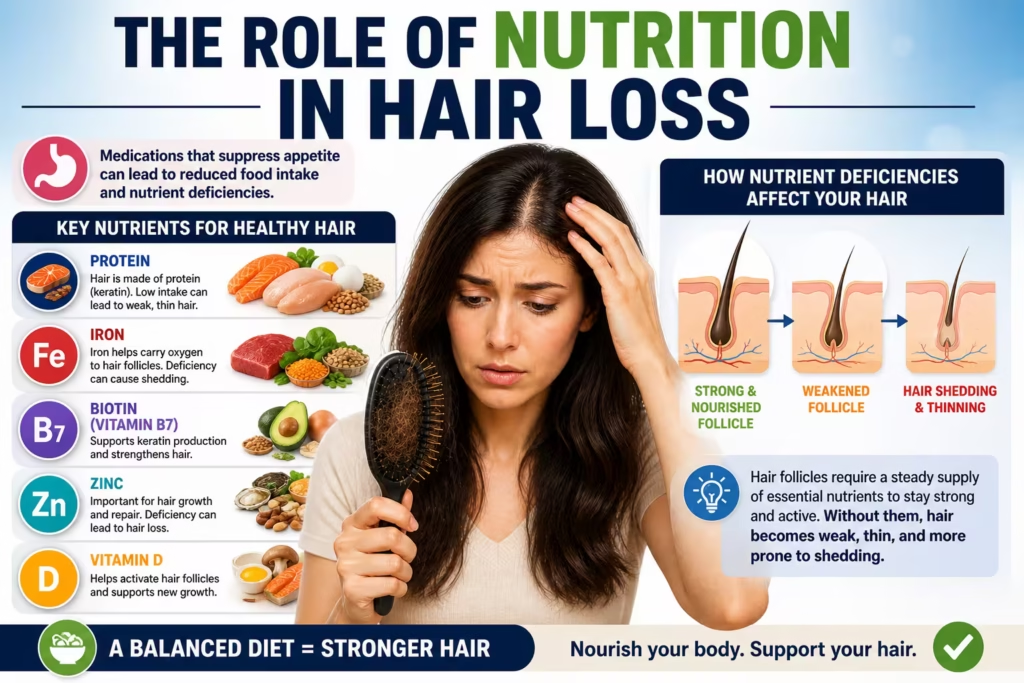
The Role of Nutrition in Hair Loss
Another major factor contributing to hair loss is reduced nutrient intake.
Because these medications suppress appetite, many people unintentionally eat far less than their body needs. Over time, this can lead to deficiencies in essential nutrients such as:
- Protein
- Iron
- Biotin (Vitamin B7)
- Zinc
- Vitamin D
Hair follicles require these nutrients to stay strong and active. Without them, hair becomes weak, thin, and more prone to shedding.
Why This Happens in Other Weight Loss Methods Too
Hair loss during rapid weight loss is not unique to Ozempic or Mounjaro. It has long been observed in:
- Bariatric (weight loss) surgery patients
- Crash dieting
- Extreme calorie restriction
In all these cases, the underlying cause remains the same: sudden stress + nutritional imbalance.
Is the Hair Loss Permanent?
The reassuring answer is—no, in most cases it is not permanent.
Hair shedding typically begins a few months after rapid weight loss and slows down once the body stabilizes. As nutritional balance improves, hair growth gradually resumes.
Most individuals see noticeable recovery within a few months, provided proper care is taken.

How to Protect Your Hair During Weight Loss
If you are using these medications, a mindful approach can make a significant difference.
Maintaining a balanced diet is essential. Even with reduced appetite, prioritizing protein-rich foods, leafy greens, and whole foods helps support hair health. Ensuring adequate intake of iron, biotin, zinc, and vitamin D is equally important.
Avoiding extreme calorie restriction and focusing on steady, sustainable weight loss can reduce stress on the body. In addition, managing overall stress—both physical and emotional—plays a key role in preventing excessive shedding.
When Should You Seek Professional Help?
While temporary shedding is common, persistent or worsening hair loss should not be ignored. If hair thinning continues for several months or becomes visibly noticeable, consulting a specialist is the right step.
Many individuals exploring long-term solutions often consider advanced treatments. Visiting the Best Hair Transplant Clinic in Tehran can provide access to modern techniques and personalized care. Similarly, consulting an experienced Hair Transplant Surgeon in Iran ensures accurate diagnosis and tailored treatment plans based on individual needs.
Conclusion
The growing concern around hair loss and weight loss drugs is understandable, but the science offers clarity. These medications do not directly cause baldness. Instead, the body’s response to rapid weight loss, combined with nutritional changes, leads to temporary hair shedding.
With proper diet, care, and awareness, this phase is usually short-lived—and hair growth returns naturally. The key lies in understanding your body, supporting it with the right nutrients, and seeking expert advice when needed.
Frequently Asked Questions (FAQs)
No, they do not directly affect hair follicles. Hair loss is usually due to rapid weight loss and internal stress.
Hair shedding typically lasts a few months and improves once the body stabilizes.
Yes, in most cases hair regrowth occurs naturally once nutrition and weight stabilize.
Protein, iron, biotin, zinc, and vitamin D are crucial for healthy hair growth.
You should consult your doctor before making any changes to your medication.
If hair loss becomes permanent and does not recover over time, advanced solutions may be considered at the Best Hair Transplant Clinic in Tehran.
Because of skilled professionals, advanced technology, and cost-effective options offered by experienced Hair Transplant Surgeons in Iran.