
What Can Be Worse Than a Bad Hair Day Ladies? – Receding Hairline & Thinning Hair !!!!
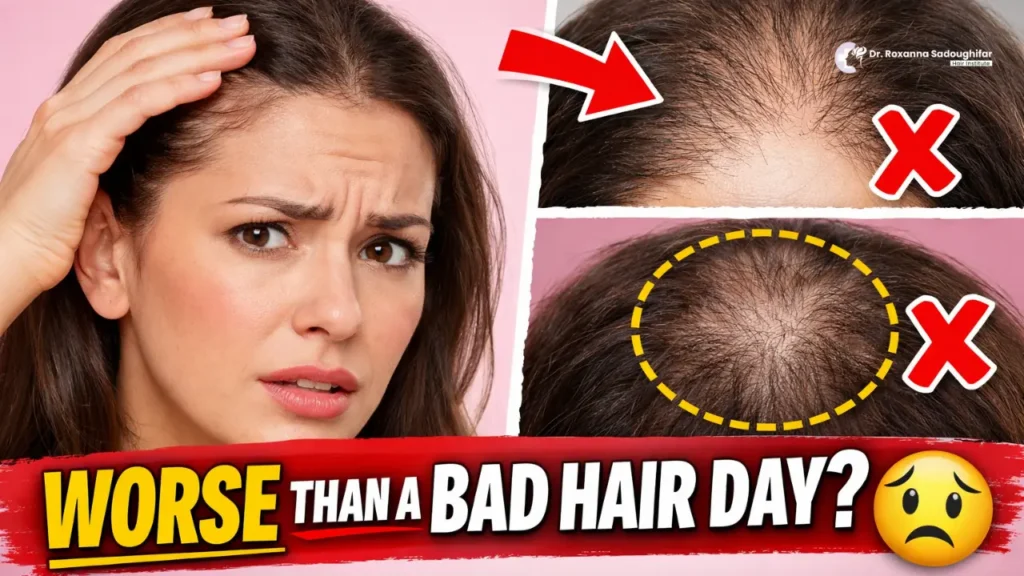
When hearing people talk about receding hairline or hair thinning, most of us link it to men’s issues. But it is not, because it is becoming a serious issue for women as well. For women, hair is like an ornament that enhances their beauty and self-confidence. If having just a bad hair day can ruin the whole day for you, then we can imagine how difficult and heartbreaking it can be to have a lifelong hair problem – a receding hairline and thinning hair. However, you are not the only one facing this problem; it is affecting a significant number of beautiful ladies around the world, including women who later explore advanced solutions such as hair transplant Iran when medical treatments are no longer enough. Nevertheless, understanding the core causes of thinning hair and receding hairline in women is important before deciding to get the right treatment. This piece of writing is for you to learn some of the major reasons for receding hairline and thinning hair disorders among women. Understanding the “Why” Behind a Receding Hairline in Women Let us walk you through the understanding of the main causes of thin hair and receding hairline in women, so you can relate your symptoms and comprehend your specific reason, which can help you interpret your condition to your dermatologist, so you can get the right treatment. 1. Female Pattern Hair Loss (Androgenetic Alopecia): The causes can vary from woman to woman, but one of the most common reasons is Androgenetic Alopecia, which is also known as Female Pattern Hair Loss. It is genetic and related to hormones, where the sensitivity is increased to androgens among females, and they start to lose hair on the top of their scalp. It can also be seen causing a receding hairline in women worldwide. As it is genetic, it can be from either parent. It is confused with having too many male hormones by many, but it is not. It is rather about follicular sensitivity to dihydrotestosterone (DHT). 2. Traction Alopecia: There is another alopecia that is self-inflicted. In many cultures, women are not allowed to keep their hair unbraided, and fashion demands have also encouraged women to tie their hair aggressively into ponytails, buns, braids and many other types of hairstyles. This regular pulling of hair causes inflammation to hair follicles and can lead to permanent damage. Overuse of hair tools that pull hair while using is also causing damage to follicles, for example, hair straighteners, which require an aggressive pull of hair while pressing to get the best results. However, doing the same to your hair every day can cause traction alopecia. 3. Hormonal Fluctuations: There are many significant life events that can shift hormone levels dramatically, namely, pregnancy, childbirth, and menopause. Health problems like thyroid issues can also cause dramatic fluctuations in hormone levels. A drop in estrogen level, which helps hair grow, can lead to significant shedding and thinning hair, resulting in a receding hairline in women. How to deal with it? Many of us have the tendency to ask people around about their hair issues and start buying the same products that worked for them, but before you start spending a fortune on products that may not even be suitable for your cause of hair thinning, booking an appointment with a board-certified dermatologist is the wisest step you will ever take. They are the medical experts on skin, hair, and nails, constantly helping people deal with these issues every day. They can properly diagnose the cause of your thinning hair or receding hairline. What to Expect During Your Visit: At last, a thing to remember is that your hair is definitely a part of you, but it does not define you. By taking informed, proactive steps, you can reclaim control and confidence on your journey to healthier hair. Frequently Asked Questions (FAQs)