
Justin Bieber’s Hairline: Modern Transplant Results
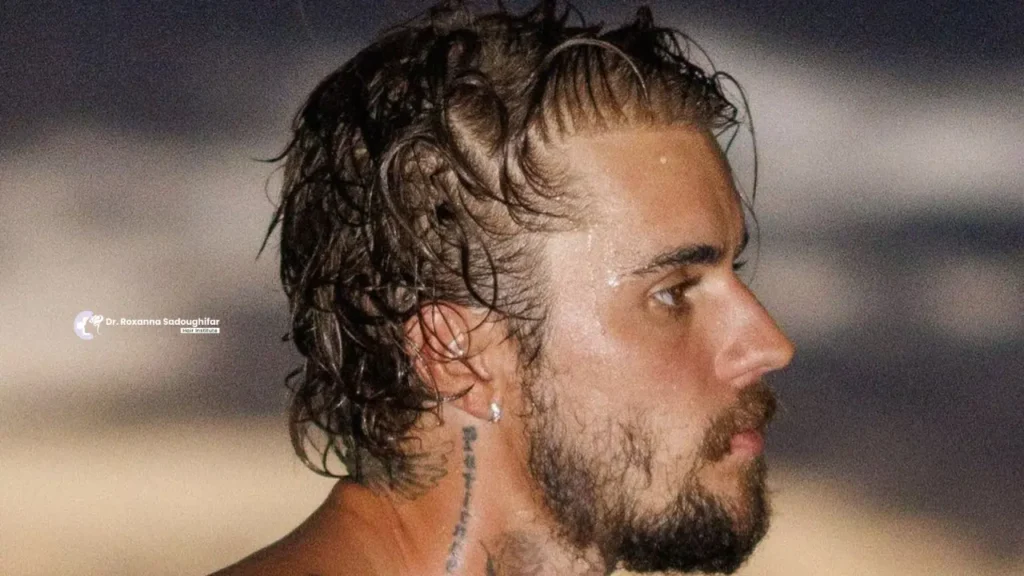
Hair loss is a reality for millions of men, including global celebrities. Over the years, fans and hair experts have closely followed changes in Justin Bieber’s hairline. His journey reflects how modern hair restoration has evolved—offering natural results without dramatically altering appearance. Today, advanced clinics such as Dr. Roxanna Sadoughifar Hair Institute, known for expertise in hair transplant in Iran, use precise and minimally invasive methods to restore hair safely. Early Signs of Hairline Maturation and Thinning Around 2017, the first signs of frontotemporal recession became noticeable. This pattern is commonly associated with androgenic alopecia, also known as male pattern baldness. It typically begins with slight recession at the temples and gradually progresses over time. By 2018, the hairline appeared more mature, consistent with early-stage hair loss. This stage is very common and often becomes the point when individuals start considering preventive treatments or restoration options. The Role of Hairstyles and Temporary Concealment In 2021, Justin Bieber wore dreadlocks for an extended period. Tight hairstyles can sometimes contribute to traction alopecia, which occurs when hair follicles experience continuous tension. After removing the dreadlocks, subtle differences in the temple area became more noticeable. Like many individuals, he appeared to use temporary cosmetic techniques to improve the appearance of density, such as: These methods do not treat hair loss but can help improve visual appearance temporarily. Understanding Modern FUE Hair Transplant Procedures Hair experts believe that subtle improvements seen later could be consistent with Follicular Unit Extraction (FUE), one of the most advanced and widely used restoration methods today. FUE involves extracting individual hair follicles from the donor area and implanting them into thinning regions. Because follicles are taken one by one, there is no large visible scar, and healing is faster compared to older methods. Clinics specializing Dr. Roxanna Sadoughifar Hair Institute, uses refined implantation techniques to ensure the hair grows naturally and matches the patient’s original pattern. Why Hair Transplant Results Look Natural Over Time Hair restoration does not produce instant density. Instead, it follows a gradual and natural growth cycle: This gradual process helps ensure that changes look natural rather than sudden or artificial. The Importance of Conservative and Strategic Planning One of the key principles in modern hair restoration is preserving the donor area while improving the hairline. Surgeons carefully plan graft placement to avoid over-harvesting and ensure long-term sustainability. This approach focuses on: Experienced institutes prioritize precision and long-term planning to achieve the best outcomes. What We Can Learn from Celebrity Hair Restoration Trends Celebrity transformations highlight how subtle improvements can enhance overall appearance without making changes obvious. Modern procedures are designed to restore confidence while maintaining a completely natural look. The goal is not to create artificial density, but to recreate a realistic hairline that blends seamlessly with existing hair. Conclusion: Hair restoration has become safer, more precise, and more natural than ever before. Whether addressing early hairline recession or more advanced hair loss, modern techniques provide reliable, long-term solutions.Leading centers such as Dr. Roxanna Sadoughifar Hair Institute continue to use advanced methods and personalized treatment planning to help individuals restore their hair and confidence with natural-looking results. FAQ