
Justin Bieber’s Hairline: Modern Transplant Results
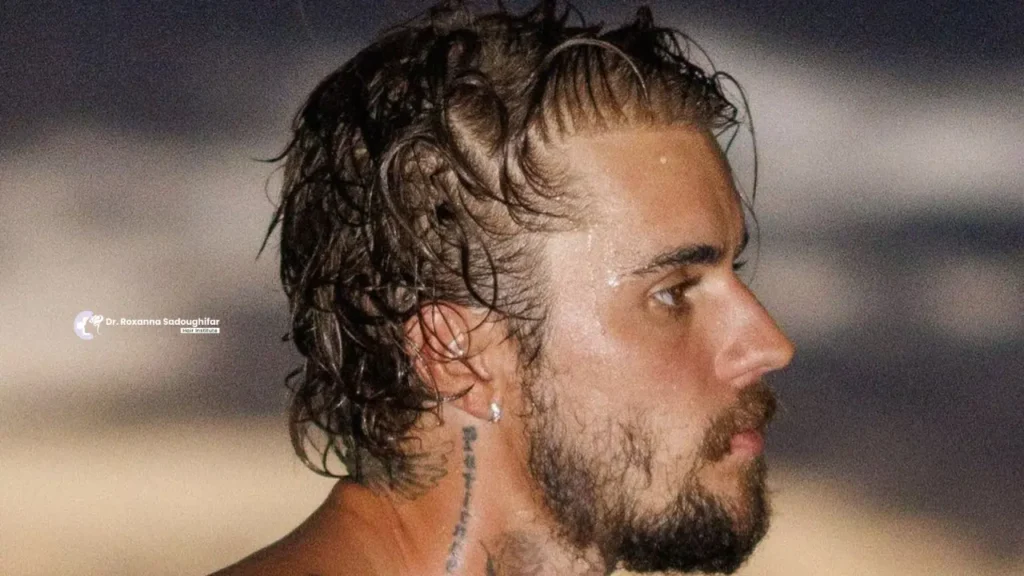
Hair loss is a reality for millions of men, including global celebrities. Over the years, fans and hair experts have closely followed changes in Justin Bieber’s hairline. His journey reflects how modern hair restoration has evolved—offering natural results without dramatically altering appearance. Today, advanced clinics such as Dr. Roxanna Sadoughifar Hair Institute, known for expertise in hair transplant in Iran, use precise and minimally invasive methods to restore hair safely. Early Signs of Hairline Maturation and Thinning Around 2017, the first signs of frontotemporal recession became noticeable. This pattern is commonly associated with androgenic alopecia, also known as male pattern baldness. It typically begins with slight recession at the temples and gradually progresses over time. By 2018, the hairline appeared more mature, consistent with early-stage hair loss. This stage is very common and often becomes the point when individuals start considering preventive treatments or restoration options. The Role of Hairstyles and Temporary Concealment In 2021, Justin Bieber wore dreadlocks for an extended period. Tight hairstyles can sometimes contribute to traction alopecia, which occurs when hair follicles experience continuous tension. After removing the dreadlocks, subtle differences in the temple area became more noticeable. Like many individuals, he appeared to use temporary cosmetic techniques to improve the appearance of density, such as: These methods do not treat hair loss but can help improve visual appearance temporarily. Understanding Modern FUE Hair Transplant Procedures Hair experts believe that subtle improvements seen later could be consistent with Follicular Unit Extraction (FUE), one of the most advanced and widely used restoration methods today. FUE involves extracting individual hair follicles from the donor area and implanting them into thinning regions. Because follicles are taken one by one, there is no large visible scar, and healing is faster compared to older methods. Clinics specializing Dr. Roxanna Sadoughifar Hair Institute, uses refined implantation techniques to ensure the hair grows naturally and matches the patient’s original pattern. Why Hair Transplant Results Look Natural Over Time Hair restoration does not produce instant density. Instead, it follows a gradual and natural growth cycle: This gradual process helps ensure that changes look natural rather than sudden or artificial. The Importance of Conservative and Strategic Planning One of the key principles in modern hair restoration is preserving the donor area while improving the hairline. Surgeons carefully plan graft placement to avoid over-harvesting and ensure long-term sustainability. This approach focuses on: Experienced institutes prioritize precision and long-term planning to achieve the best outcomes. What We Can Learn from Celebrity Hair Restoration Trends Celebrity transformations highlight how subtle improvements can enhance overall appearance without making changes obvious. Modern procedures are designed to restore confidence while maintaining a completely natural look. The goal is not to create artificial density, but to recreate a realistic hairline that blends seamlessly with existing hair. Conclusion: Hair restoration has become safer, more precise, and more natural than ever before. Whether addressing early hairline recession or more advanced hair loss, modern techniques provide reliable, long-term solutions.Leading centers such as Dr. Roxanna Sadoughifar Hair Institute continue to use advanced methods and personalized treatment planning to help individuals restore their hair and confidence with natural-looking results. FAQ
Ramadan Hair Care Guide for People Facing Hair Loss
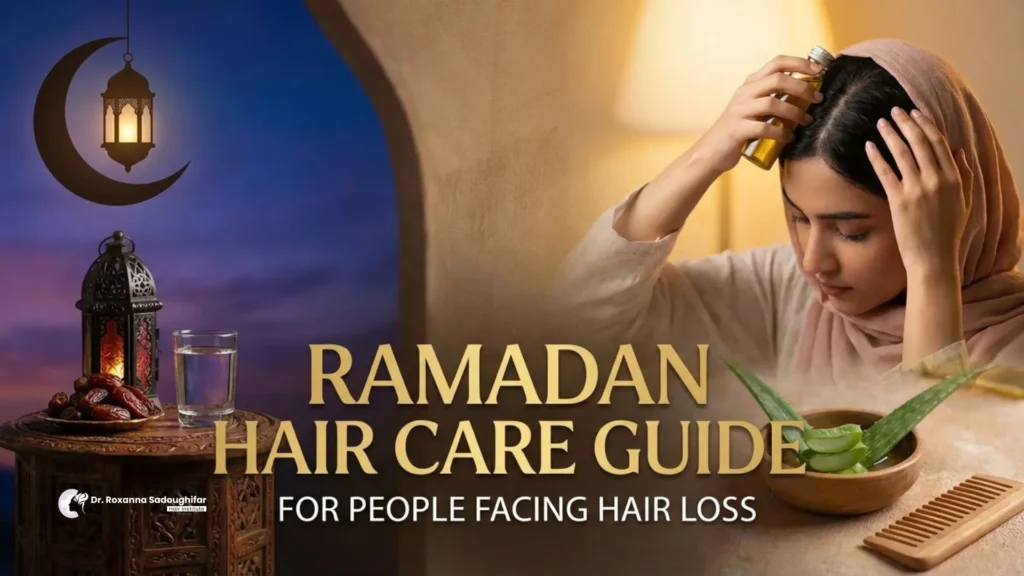
Ramadan is a holy and spiritually important month for Muslims around the world. However, for people experiencing hair loss, this time often brings many doubts and questions. Many patients ask whether they can continue their hair loss treatments while fasting, especially when using topical solutions or taking medicines. If you are consulting a Hair Transplant Surgeon, you may also receive similar questions from patients. This guide explains a safe and practical routine so that your fast remains valid while your hair regrowth treatment continues smoothly. Common Concerns About Hair Loss Treatment During Ramadan During Ramadan, hair loss patients are usually confused about: Let’s clear these doubts step by step. Can You Use Hair Solutions That Contain Alcohol? Many hair growth solutions contain a small amount of alcohol as a carrier ingredient. This alcohol helps the medicine absorb quickly into the scalp. The important point to understand is: Because of this, most medical experts agree that using topical hair treatments does not break the fast. Best Time to Apply During Ramadan You can follow this simple routine: This routine helps maintain hair growth while respecting religious practices. Can You Take Multivitamins While Fasting? Hair health depends heavily on proper nutrition. Many hair loss patients are advised to take vitamins and supplements. During Ramadan: This way, your hair receives proper nutrition without affecting your fast. What About Hair Loss Medicines? Some hair loss medications are taken once daily. These can still be used safely during Ramadan by adjusting the timing. Recommended Schedule This ensures continuous treatment without interrupting fasting. Why Consistency Matters for Hair Regrowth Whether you are undergoing medical treatment, consistency is key. Stopping treatments during Ramadan may lead to: By simply adjusting the timing, you can continue treatment safely. Expert Advice from a Hair Transplant Surgeon According to experienced Hair Transplant Surgeons, patients should never discontinue treatment without medical advice. Key recommendations include: These steps help maintain healthy hair growth even during fasting. Conclusion Ramadan is a time of devotion, but it does not mean you must stop caring for your health. Hair loss treatments can safely continue if you follow the right schedule.With proper guidance, you can protect both your fast and your hair growth. If you have doubts, always consult a qualified specialist at a trusted Clinic Hair Transplant Tehran.
Harry Styles Hairline: Wig, Baldness, or Transplant?
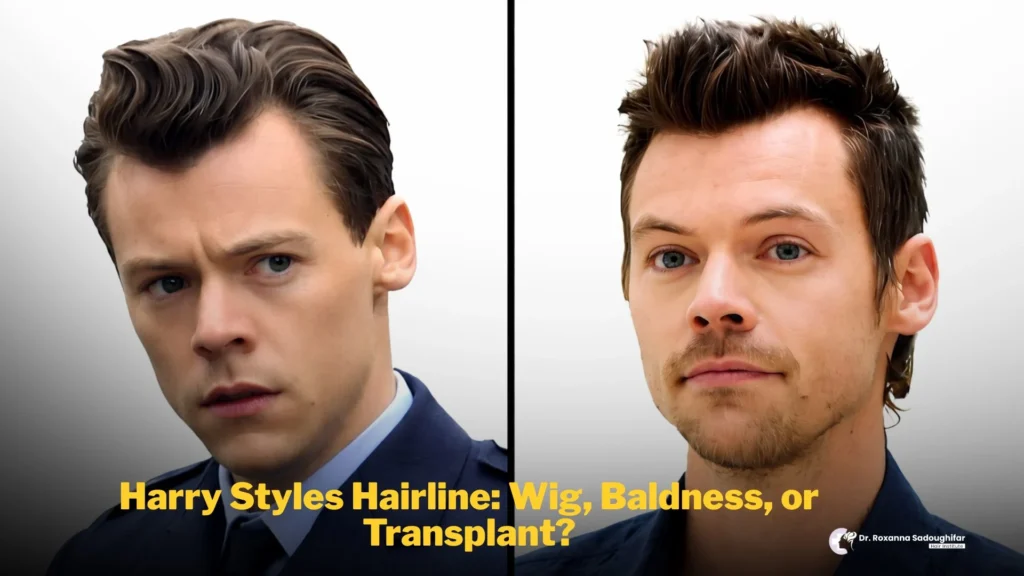
Every few months, the internet finds a new celebrity “hair conspiracy.” This time, it’s Harry Styles. Some people insist he’s secretly bald. Others claim he’s been wearing a wig for years. A few even believe every hairstyle change is just clever styling hiding major hair loss. But when you step back and analyze his hair over time — year by year — the story looks far less dramatic and far more medical. In reality, Harry Styles’ hair journey tells us something much more interesting: how subtle, modern hair restoration can be today. If anything has changed, it hasn’t been obvious. And that’s exactly how good work should look. Understanding Harry Styles’ Natural Hairline Changes From his teenage years, Harry had what doctors call a strong juvenile hairline — thick density, sharp temporal peaks, and little recession. But as he entered his early twenties, a mild shift became noticeable. His temples began moving back slightly, especially on the left side. This isn’t unusual. In fact, it’s incredibly common. Most men naturally mature from a Norwood 1 to a Norwood 2 or 3 pattern as they age. It doesn’t mean baldness. It simply means the hairline becomes more adult and less straight across. The problem is that fans often mistake this normal change for severe hair loss. Looking at Harry’s progression over the years, his crown has consistently remained dense, his mid-scalp strong, and his overall coverage impressive. These are not the signs of someone going bald or relying on a wig. Wigs tend to look too perfect. Hairpieces often create unnaturally straight hairlines. Harry’s hair, on the other hand, shows irregularity, fine baby hairs, and slight asymmetry — details that are extremely difficult to fake. Did Harry Styles Get a Small Hair Transplant? What’s interesting, though, is the subtle improvement that appeared after he shaved his head in 2023. When his hair grew back, the previously deeper recession on his left temple looked softer and more balanced. Not dramatically different — just more symmetrical. And that’s where professional analysis becomes important. If there was any procedure involved, it likely wasn’t a massive transplant. It wouldn’t have required thousands of grafts. Instead, it may have been a small refinement — perhaps 200 to 500 grafts using modern FUE techniques — simply to even out the contour of the hairline. This type of “micro-transplant” is becoming increasingly popular among celebrities because it enhances shape without changing identity. Today’s hair restoration isn’t about creating a brand-new hairline. It’s about restoring balance so naturally that nobody can tell anything was done. This is exactly the philosophy followed by experienced Hair transplant Surgeons around the world. The best results are not dramatic. They’re subtle. The goal is for people to say, “You look good,” not “Did you get surgery?” How Modern Hair Transplant Techniques Create Natural Results With advancements in FUE and minimally invasive procedures, patients can now return to normal life quickly with almost no visible scarring. These techniques are widely practiced not only in Hollywood or London, but also internationally. In recent years, hair transplant in Iran has gained significant recognition, with skilled surgeons, modern clinics, and advanced technology attracting patients from different countries who want high-quality treatment at reasonable costs. The focus, just like in celebrity cases, is on natural density, careful planning, and long-term preservation of donor hair. Harry Styles’ case — whether he had a small procedure or simply benefited from styling and good genetics — highlights an important truth about modern hair care. Hair loss doesn’t always require extreme solutions. Sometimes medication can stabilize it. Sometimes a minor surgical correction is enough. And sometimes, nothing needs to be done at all. Final Thoughts: Bald Rumor or Just Smart Hair Care? The real takeaway is this: hair restoration today is precise and artistic. When performed by an experienced Hair transplant Surgeon, even a transplant can remain virtually undetectable. So is Harry Styles bald? Almost certainly not.Is he wearing a wig? Highly unlikely.Could he have had a tiny, well-planned refinement? Possibly. But if he did, that only proves how far the field has come. Because the best hair work is the kind no one ever notices — it simply looks like you were born that way.
Botox & Dermal Fillers: Magic or Marketing?
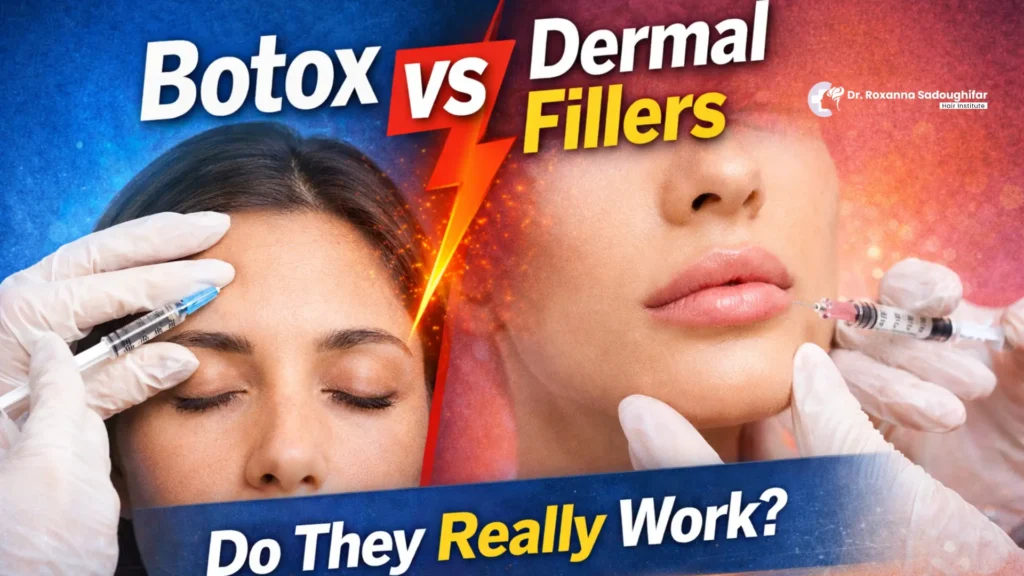
In today’s world, looking youthful is no longer limited to celebrities. With the rise of aesthetic medicine, treatments like Botox and dermal fillers have become increasingly popular among people of all ages. However, despite their popularity, there is still a lot of confusion, misinformation, and hesitation surrounding these procedures. This topic is important because cosmetic treatments are deeply personal choices. Before deciding on any procedure, it is essential to understand what it is, how it works, and what risks may be involved—rather than relying solely on online searches or social media trends. What Are Botox and Dermal Fillers? Botox and dermal fillers are non-surgical aesthetic treatments designed to reduce signs of aging and enhance facial features in a natural way. How Dermal Fillers Work Dermal fillers are most commonly made from hyaluronic acid, a substance that naturally exists in our skin. Hyaluronic acid helps maintain skin hydration, volume, and elasticity. As we age: Dermal fillers restore lost volume by replenishing hyaluronic acid in specific areas of the face. This results in: Since hyaluronic acid is naturally present in the skin, fillers are generally considered safe when performed correctly by trained professionals. What Does Botox Do? Botox works differently from fillers. It targets dynamic wrinkles—those caused by repeated facial movements such as smiling, frowning, or raising eyebrows. Botox helps by temporarily relaxing specific facial muscles, which: When used appropriately, Botox does not freeze the face but allows for natural expressions with reduced wrinkles. The Importance of Balance and Proportion Overuse of fillers or Botox can lead to an unnatural appearance, such as: Aesthetic treatments should always respect facial proportions. The goal is enhancement—not exaggeration. This is why expertise, experience, and artistic judgment are critical. What to Know Before Getting Botox or Fillers 1. Who Is Performing the Procedure? Botox and fillers are medical treatments, not beauty services. If administered incorrectly, they can cause: Always choose a qualified and experienced dermatologist in Tehran who is properly trained in aesthetic injectables. 2. Where Is the Treatment Being Done? Hygiene and medical standards matter. Procedures must be performed in a clean, well-equipped clinical environment to reduce the risk of infection and complications. 3. Is Botox or Filler Enough for Everyone? Not all faces age the same way. While Botox and fillers can deliver excellent results, some individuals may benefit from: A proper facial assessment and personalized treatment plan are essential for optimal results. Why Botox in Tehran Is Gaining Popularity Interest in Botox in Tehran has grown significantly due to: Patients increasingly seek expert care from an experienced dermatologist in Tehran who understands both facial anatomy and aesthetic balance. Final Thoughts Botox and dermal fillers are not miracles—but in the right hands, they can deliver safe, subtle, and highly satisfying results. The key lies in: Before undergoing any cosmetic procedure, take the time to understand your options and choose a qualified professional. When done responsibly, aesthetic treatments can enhance confidence while maintaining your natural appearance.
What Can Be Worse Than a Bad Hair Day Ladies? – Receding Hairline & Thinning Hair !!!!
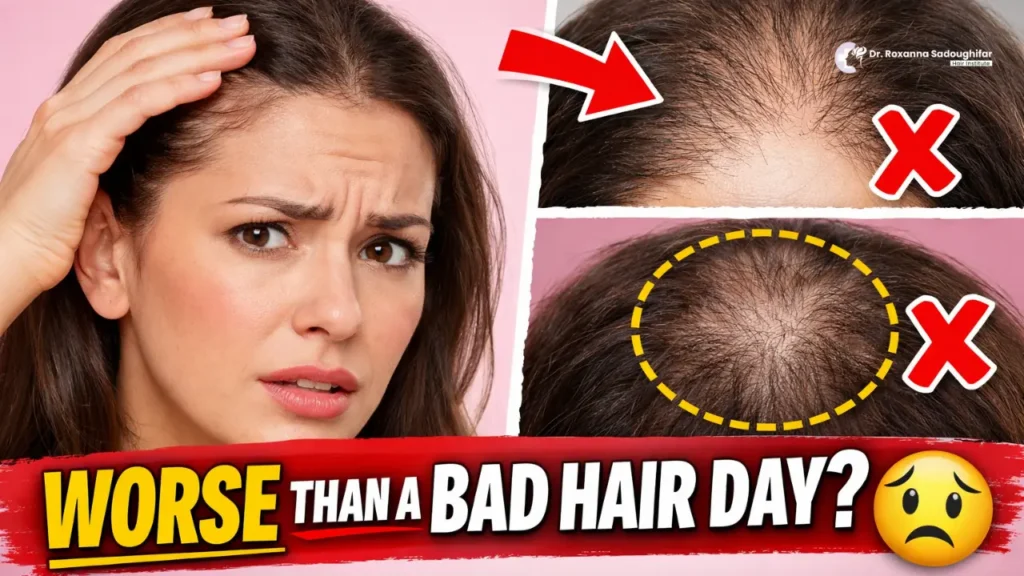
When hearing people talk about receding hairline or hair thinning, most of us link it to men’s issues. But it is not, because it is becoming a serious issue for women as well. For women, hair is like an ornament that enhances their beauty and self-confidence. If having just a bad hair day can ruin the whole day for you, then we can imagine how difficult and heartbreaking it can be to have a lifelong hair problem – a receding hairline and thinning hair. However, you are not the only one facing this problem; it is affecting a significant number of beautiful ladies around the world, including women who later explore advanced solutions such as hair transplant Iran when medical treatments are no longer enough. Nevertheless, understanding the core causes of thinning hair and receding hairline in women is important before deciding to get the right treatment. This piece of writing is for you to learn some of the major reasons for receding hairline and thinning hair disorders among women. Understanding the “Why” Behind a Receding Hairline in Women Let us walk you through the understanding of the main causes of thin hair and receding hairline in women, so you can relate your symptoms and comprehend your specific reason, which can help you interpret your condition to your dermatologist, so you can get the right treatment. 1. Female Pattern Hair Loss (Androgenetic Alopecia): The causes can vary from woman to woman, but one of the most common reasons is Androgenetic Alopecia, which is also known as Female Pattern Hair Loss. It is genetic and related to hormones, where the sensitivity is increased to androgens among females, and they start to lose hair on the top of their scalp. It can also be seen causing a receding hairline in women worldwide. As it is genetic, it can be from either parent. It is confused with having too many male hormones by many, but it is not. It is rather about follicular sensitivity to dihydrotestosterone (DHT). 2. Traction Alopecia: There is another alopecia that is self-inflicted. In many cultures, women are not allowed to keep their hair unbraided, and fashion demands have also encouraged women to tie their hair aggressively into ponytails, buns, braids and many other types of hairstyles. This regular pulling of hair causes inflammation to hair follicles and can lead to permanent damage. Overuse of hair tools that pull hair while using is also causing damage to follicles, for example, hair straighteners, which require an aggressive pull of hair while pressing to get the best results. However, doing the same to your hair every day can cause traction alopecia. 3. Hormonal Fluctuations: There are many significant life events that can shift hormone levels dramatically, namely, pregnancy, childbirth, and menopause. Health problems like thyroid issues can also cause dramatic fluctuations in hormone levels. A drop in estrogen level, which helps hair grow, can lead to significant shedding and thinning hair, resulting in a receding hairline in women. How to deal with it? Many of us have the tendency to ask people around about their hair issues and start buying the same products that worked for them, but before you start spending a fortune on products that may not even be suitable for your cause of hair thinning, booking an appointment with a board-certified dermatologist is the wisest step you will ever take. They are the medical experts on skin, hair, and nails, constantly helping people deal with these issues every day. They can properly diagnose the cause of your thinning hair or receding hairline. What to Expect During Your Visit: At last, a thing to remember is that your hair is definitely a part of you, but it does not define you. By taking informed, proactive steps, you can reclaim control and confidence on your journey to healthier hair. Frequently Asked Questions (FAQs)
Just Had a Hair Transplant? Follow These 5 Do’s & Don’ts
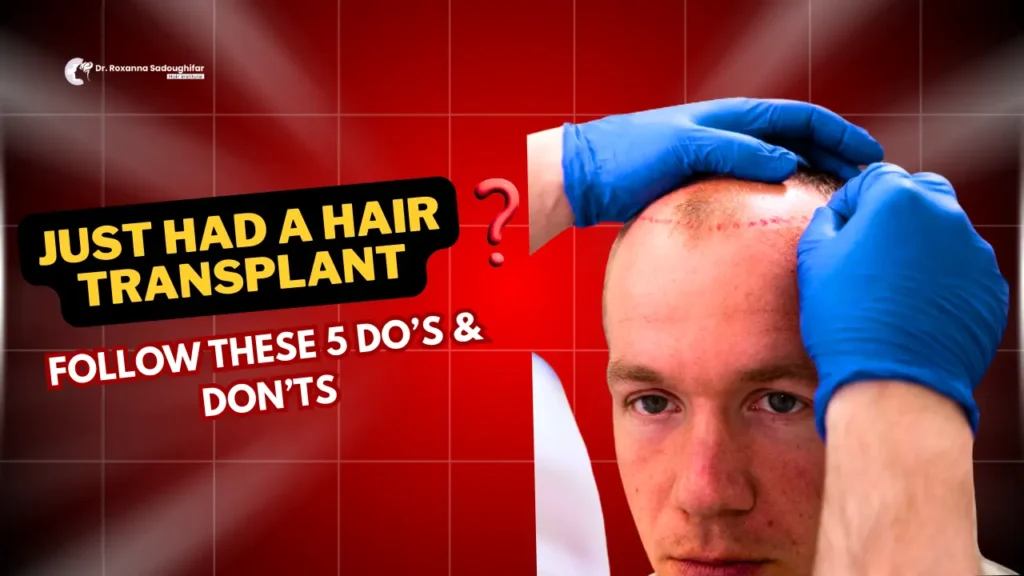
Experiencing hair loss can significantly impact an individual’s self-esteem and identity. Hair plays a crucial role in shaping our appearance and influences how others view us. When hair is lost, it can alter people’s perceptions dramatically. It’s important for those facing this challenge to consider options like hair transplant in Tehran. This procedure can help restore a full head of hair, tailored to your preferences and desires, allowing you to regain your confidence and enhance your look. Although hair transplant costs in Iran are relatively affordable, one needs to make certain that one can thoroughly follow the recovery process. This will ensure that one does not have to suffer through any complications in the healing process. Following is a list of five dos and Don’ts you need to follow in the aftermath of a hair transplant session. Five Things to Do After a Hair Transplant Procedure Once you have undergone a hair transplant procedure, you need to make certain that you are able to thoroughly follow the advice mentioned below and keep it in your routine: Five Common Mistakes to Avoid After a Hair Transplant One might also be required to avoid doing a few things after they have undergone a hair transplant procedure. By avoiding these activities, you can make certain that you are able to recover effectively from a hair transplant procedure. Conclusion Losing your hair permanently can really hurt your confidence. But with the right hair transplant surgeon, you can achieve a hair transformation. After the hair transplant, it’s important to focus on recovering properly. While hair transplant prices are quite reasonable, making sure you recover well is essential. There are some simple Do’s and Don’ts that can help you during your recovery. By following these easy tips, you can ensure a smoother healing process after the procedure.
How to Stop Hair Loss and Reduce the Risk of Bald Spots
Many people today live busy lives and don’t get to enjoy themselves as much as they should. They worry about money, their future, and various other things, which can lead to a lot of stress. Sometimes, this stress causes issues like hair loss, making people feel less confident about their looks. To improve their appearance, many choose to have hair transplants. This treatment is becoming quite popular in Iran, especially in Tehran, where you can find some of the best options for hair transplants. What is a hair transplant? It is a technique widely used nowadays. Under this, a person’s hair follicles in one portion of the head are moved to the other portion, Hair Transplant surgeons opt for an area where there is no hair, so that new hair strands could grow there, which could eradicate the problem of partial baldness. Why do people face the problem of partial baldness? Age: As the person’s age progresses, they naturally start to lose hair due to the hormonal changes in the body. Stress: The most preponderant reason why people face the problem of partial baldness is stress. Today, people encounter this issue due to being over-stressed as their hair becomes thin. Diet: Not taking a nutritious diet is also a reason for partial baldness as some edible items help in the growth of hairs. Certain minerals such as Biotin, Vitamin A, Vitamin B12, Vitamin C, Vitamin D and Vitamin E, lack of these could lead to hair loss. Medication: If a person is suffering from any problem, one has to take medicines for that. In the case of chronic diseases, the medicines are strong, which affects the hair. Illness: If a person is suffering from any chronic disease, that can also be a result of hair loss. Effects of partial baldness on people Hair baldness affects the morale or confidence of a person as one starts to feel ashamed of oneself. One begins to think that society will judge the person and pass nasty comments, which is quite common in today’s scenario. As a result, the person starts to feel inferior and think that he is not handsome enough. Therefore, they prefer hair transplants. A person becomes happy with their appearance. Although females rarely face this problem, they also prefer this treatment if they face the problem of hair loss. As females are highly conscious about their appearance, they want to look good and beautiful, so many women opt for hair transplants. Who prefers this treatment? Everything to Know about Hair transplant: Looks: After a hair transplant, a person’s overall look improves as the person looks handsome, resulting in gaining confidence. Moreover, the person does not feel awkward in front of others. Time period: The hairs, stemming from the recently transplanted hair follicles, often fall after 2-3 weeks, and new hairs start to grow from the transplanted cells. All the new hairs will grow within 6 to 8 months. Therefore, it is not that time-consuming. Cost: The hair transplant cost in Iran is a bit expensive. Only a few people can afford it, which is why some individuals prefer to live with partial baldness only. Hair transplant costs depend upon the number of grafts. Fewer grafts will cost less; more grafts will cost more. Hair transplants for females are also almost the same price as for males. The transplanted hair will stay for 10 years. Although hair transplant is a painful process, with the latest and sophisticated technology, it has relieved people by lessening their pain. Types of Hair Transplant Procedures: There are two types of hair transplants: Follicular Unit Transplantation and Follicular Unit Extraction. Follicular Unit Transplantation: Under this treatment, the surgeon cuts the scalp with lots of hair; from where it is cut, that area is stitched. By using a surgical knife, the surgeon cuts that scalp further into small pieces, which are planted in the other portion of the head. Follicular Unit Extraction: Under this, tiny holes are made in the scalp with the help of a needle and at that place, hairs are planted. There are numerous clinics, where the hair transplant is done for you to have a happy and satisfactory life. One can seek a consultation with a hair loss expert to address the issue of hair loss and partial baldness.
Before You Choose a Hair Transplant: Preparation, Pros & Side Effects
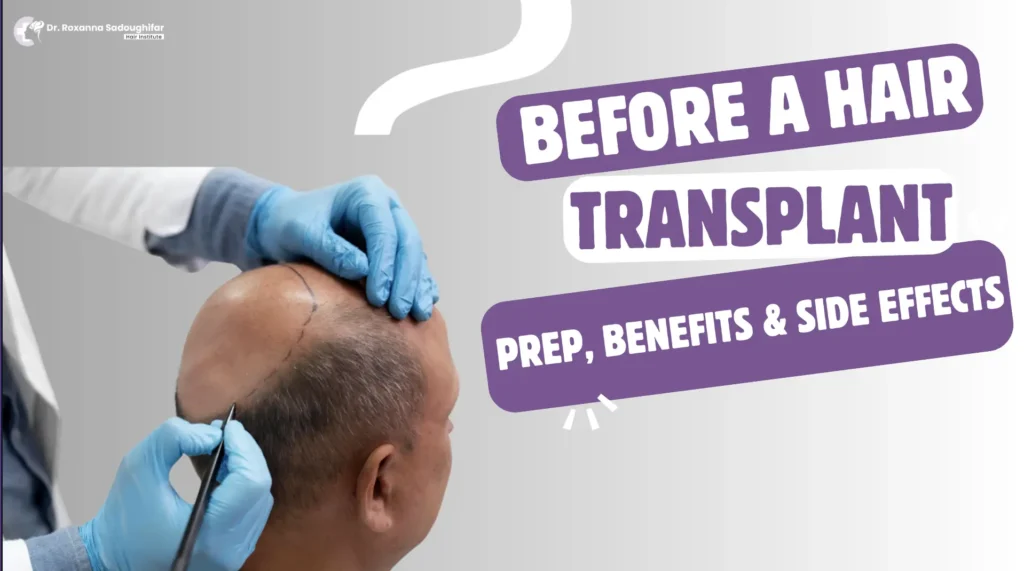
Many people feel less confident about their appearance when they face hair transplant issues. Young people dealing with hair loss often look to hair transplants as a trusted solution. The type of treatment they need depends on how much hair loss they have. In Tehran, the cost of a hair transplant can vary based on different things, like the kind of treatment and the care needed after the procedure. To make treatment successful, it’s important for someone to prepare properly beforehand. What preparation needs to be made before and after the hair transplant? Tips before the operation : Care tips for post-operation : What benefits are provided from these hair transplant treatments? What kind of side effects come along with hair transplants? Conclusion : After experiencing hair loss, it is difficult to remain confident, but if a person wants to regain that same confidence, then the hair transplant treatment can help them, too. There are some preparations that need to be made before and after the procedure for successful results. However, there are some side effects like numbing, swelling, and pain that could require further checkups to get better.
What is PP405 and how does it work?
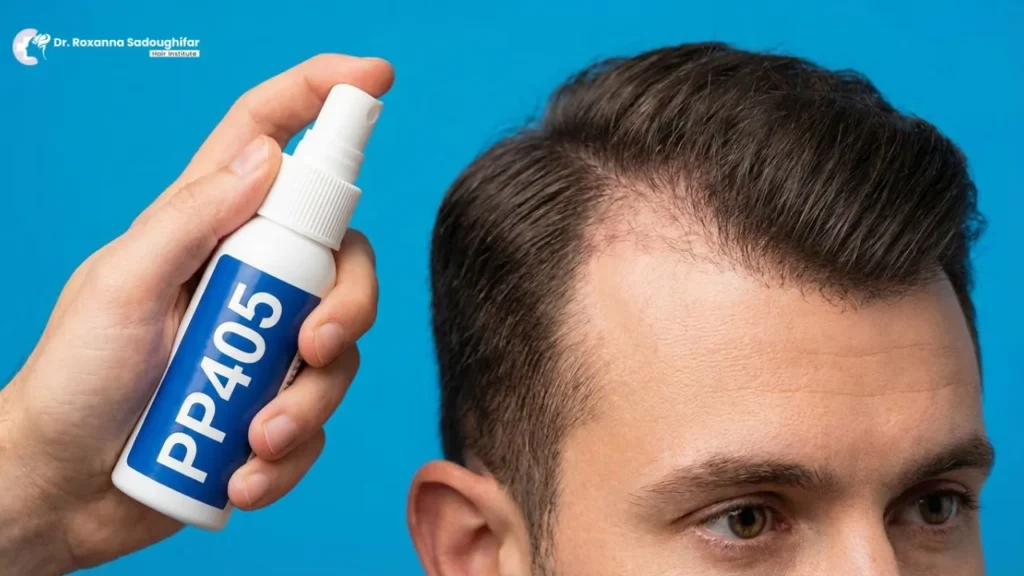
Hair loss is one of the biggest concerns globally these days, which is not just aesthetic but also emotional. Whether it is a search for hair loss treatment for women by the ladies experiencing hair thinning or genetic causes leading to hair baldness in men, every one of them is in a continuous search for a long-lasting and effective solution. Science, on the other hand, is also advancing rapidly. The methods used traditionally are still not satisfactory to many scientists; hence, a group of experts at UCLA (University of California, Los Angeles) has discovered another methodology called PP405. This breakthrough can take the hair growth treatment to another level and will be a revolution in hair restoration science. PP405 – A completely different method from traditional treatments: PP405 is a recently discovered molecule that can be a game-changer in the hair regeneration industry. This newly found molecule directly targets the hair follicle stem cells rather than just staying on the scalp surface. The energy system within the hair follicle cells is enhanced, because PP405 acts on a metabolic level. When mitochondrial activity is boosted, as a result, dormant follicles are energised by PP405, which leads to natural and healthy hair growth. It is expected to be a boon for both men and women to help them achieve fuller and stronger hair by activating the body’s own regenerative mechanisms. All of you who have been trying different methods to restore your hair growth and didn’t want to go for surgical methods will be provided with a permanent solution to your baldness. PP405 is a completely distinct hair regeneration method from most of the current treatments for hair loss in women and hair baldness in men that rely on hormonal as well as topical methods, which may slow down the hair shedding, but there are many side effects of those non-surgical treatments when you discontinue the product; in some cases, the condition may worsen than before. Many people complain about other side effects, like hormonal imbalance and dandruff, as well. However, PP405 is determined to work on the root cause, in other words, strengthen the stem cells that are about to die and cure baldness by delivering long-lasting results without side effects associated with many existing medications. PP405 is still in trial phases, but if successful, it will be the best method of hair loss treatment for those who are looking for a non-invasive solution. When will PP405 be available? This game-changing hair loss treatment is expected to be available to the public in the next few years. It is currently in the preclinical trial phase. In this phase, scientists at UCLA are studying its effectiveness and safety. They are excited about the highly promising results of these preclinical trials, and the clinical trials may begin soon. The excitement for the launch of this treatment is equal among the dermatologists and patients, because PP405 is going to be the most advanced solution to hair regeneration science. Being trichology professionals, we consider it our duty to keep the clients updated about the new treatments. Many hair regeneration societies, like MEHR Society, consist of scientists and dermatologists who combine modern research with their expertise to provide customised care to ensure the long-lasting results. Hair transplantation – The Gold Standard PP405 may be the game changer for those who have hair thinning problems, but for stage 6+ baldness, where the hair follicles are dead, the surgical hair transplantation method is the gold standard, because PP405 can treat the dying stem cells, but cannot treat the permanently inactive hair follicles. When medical treatments are not enough, many of you may consider a hair transplant in Iran. Dr Roxanna Sadoughifar Hair Institute in Iran is a renowned place you can approach to find a permanent solution with natural results. This place for hair transplant in Tehran is a combination of world-class expertise, modern technology, and affordable pricing. Dr Roxanna has more than 15 years of experience in hair transplantation and cosmetic surgery in Tehran. Consulting a qualified dermatologist is the first and most important step. It is undeniable that the discovery of UCLA’s PP405 marks a new era in the science of hair growth and restoration. Whether you’re interested in monitoring breakthrough medical treatments or exploring surgical excellence through a hair transplant in Tehran, expert guidance is key.
Eyebrow Transplantation Without Surgery in Tehran – Naturally Rebuild Your Brows
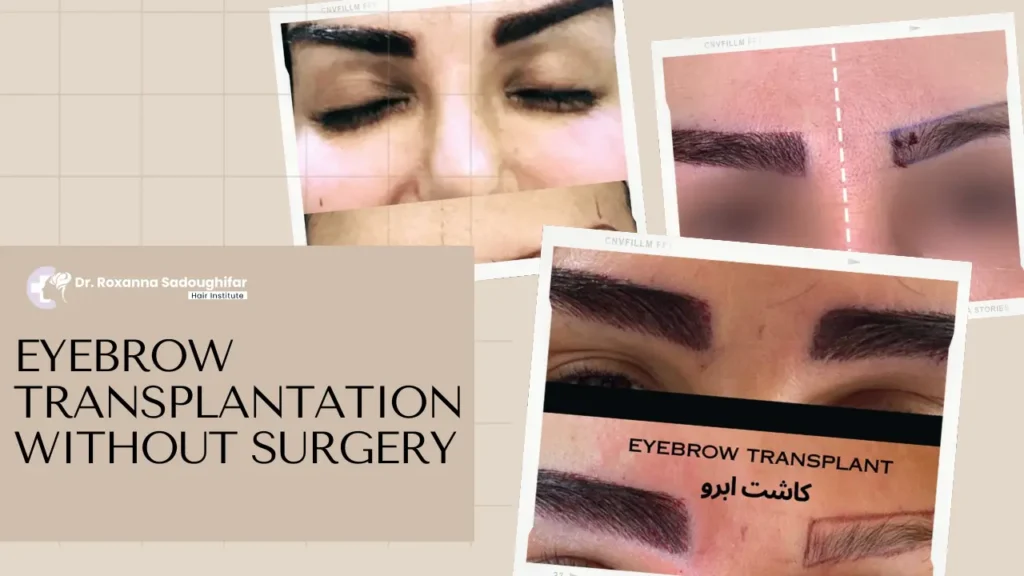
Your eyebrows are important for how your face looks and how you express yourself. However, many people struggle with thin or patchy eyebrows because of over-plucking, aging, health issues, or stress. If you want to make your eyebrows look fuller and more natural without surgery, there are great non-surgical eyebrow transplant options available in Tehran, Iran. These methods can help you achieve lovely, natural-looking results! What Is an Eyebrow Transplant Without Surgery? A non-surgical eyebrow transplant helps make your eyebrows thicker and better shaped without surgery. It uses modern, gentle methods like PRP therapy, microblading, stem cell therapy, or growth serums to help your natural hair grow. These treatments are painless, safe, and don’t need any recovery time, so they are great for anyone who wants fuller, more defined eyebrows naturally. Why Choose a Non-Surgical Eyebrow Transplant? Many individuals are choosing non-surgical eyebrow restoration for a variety of reasons. Here are some of the main advantages: If you’re hesitant about undergoing surgery or simply want to enhance your eyebrows in a natural way, a non-surgical eyebrow restoration could be an excellent choice for you. Most Effective Non-Surgical Eyebrow Restoration Options Let’s take a look at some of the best ways to restore your eyebrows: 1. PRP Therapy (Platelet-Rich Plasma) PRP therapy uses your own blood to encourage hair growth in the eyebrow area. It’s a safe and natural method that helps new hairs grow and strengthens the ones you already have. Benefits: 2. Microblading or Nanoblading Microblading is a technique where tiny strokes of color are added to your brows to make them look fuller and more. defined. Nanoblading uses even finer needles to give a more natural appearance. Best for: Those who want to improve the shape and thickness of their brows quickly. 3. Eyebrow Hair Growth Serums & Medications Medical-grade growth serums, like Minoxidil, can help promote hair growth in areas where eyebrows are thin or patchy. These serums often work well when combined with other treatments like PRP or laser therapy. 4. Stem Cell or Laser Eyebrow Therapy Some advanced clinics offer treatments using stem cells or lasers to help revive inactive hair follicles and make your brows denser. These methods can help you achieve the fuller, beautiful eyebrows you desire! Is Non-Surgical Eyebrow Restoration Right for You? If you’re considering non-surgical eyebrow restoration, it’s important to see if you fit the profile of a good candidate. You might be a great choice if you: Simple Steps to Achieve Natural Brows Without Surgery Most people start to see improvements in 2 to 6 weeks, and complete results can take a few months. Results and Expectations Non-surgical eyebrow transplant treatments give natural and gradual results. You’ll enjoy fuller, natural, and well-shaped eyebrows without any scars or surgery. Eyebrow Transplant Without Surgery Cost in Tehran – Country-Wise Comparison The cost of eyebrow transplant without surgery varies across the world based on technology, clinic expertise, and location. Which Is Best for You – Surgical or Non-Surgical Eyebrow Restoration? Feature Non-Surgical Surgical Pain Minimal or none Moderate Recovery Time None 5–7 days Scars None Small incisions Cost Lower Higher Duration 1–2 years Permanent Ideal For Mild to moderate hair loss Severe hair loss Common Myths and Facts Myth 1: You need surgery to fix thin eyebrows. Fact: There are non-surgical options like PRP (Platelet-Rich Plasma) and microblading that can work really well. Myth 2: Non-surgical treatments are not safe and don’t last long. Fact: These treatments are safe and approved by doctors. With proper care, they can last for years. Myth 3: You can’t use different treatments together. Fact: In fact, using PRP together with microblading can give even better and more natural-looking results. Frequently Asked Questions (FAQs) Q1. Is eyebrow transplant without surgery painful? Ans. No, non-surgical treatments are nearly painless and don’t need anesthesia. Q2. How long does the result last? Ans. The results can last 1 to 2 years, depending on how you take care of them. Q3. How many PRP sessions are needed? Ans. You usually need 3 to 4 sessions, with a few weeks in between, to get the best results. Q4. Can I do PRP and microblading together? Ans. Yes, doing both can help your eyebrows grow thicker and last longer. Q5. Are there any side effects? Ans. You might have some mild redness or swelling for a few hours, but it goes away quickly. Q6. Who performs these treatments in Tehran? Ans. Qualified dermatologists and skincare specialists do non-surgical eyebrow transplants safely and skillfully.